
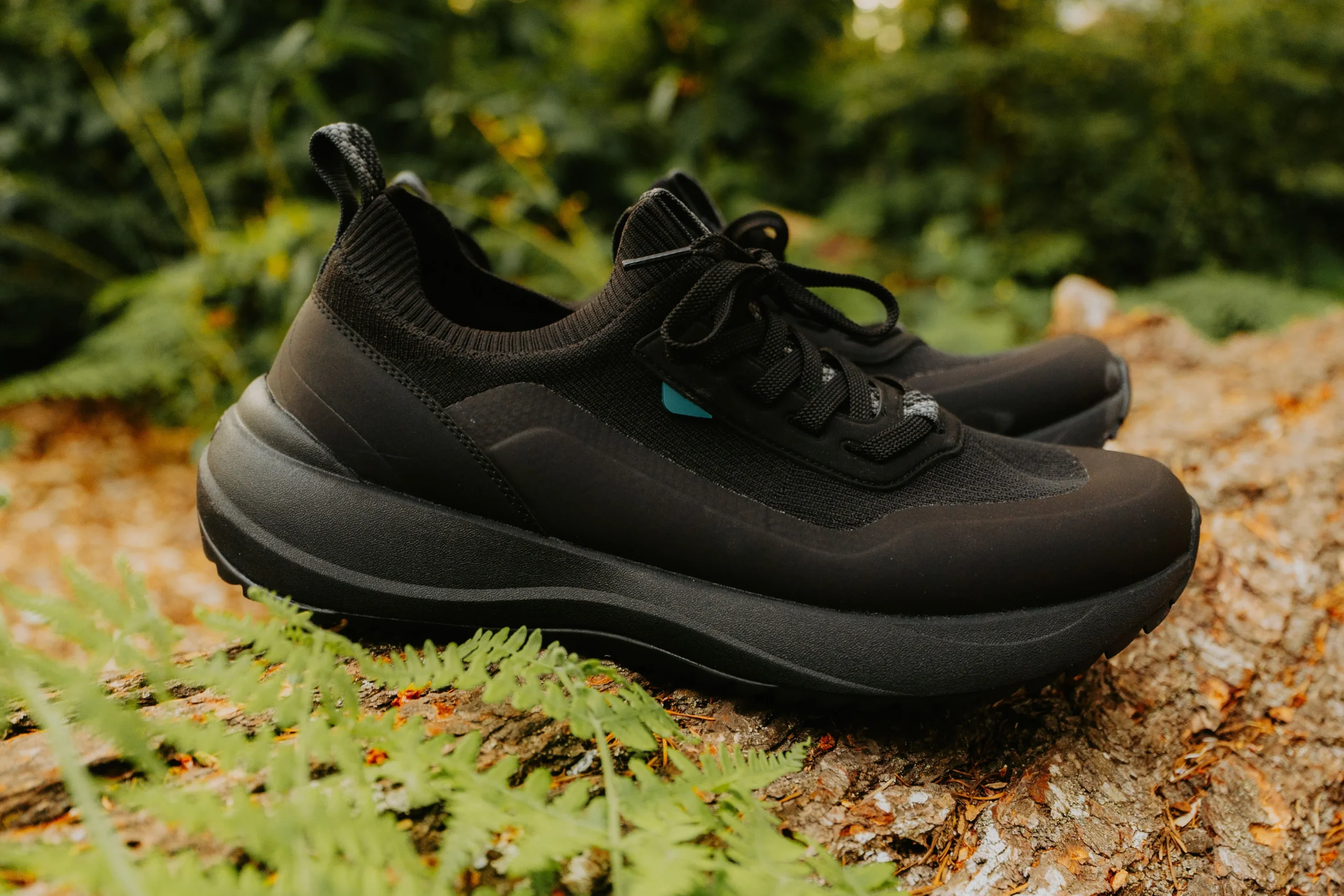
People living with diabetes often pay close attention to blood sugar, diet, and regular exercise. Choosing the right sneakers as a diabetes solution for daily wear also plays an important role in protecting the feet. Foot care is one of the simplest ways to support long-term foot health.
Many people see their feet as the same level of attention because small problems can become serious if they go unnoticed. A comfortable pair of sneakers supports daily movement, reduces pressure on sensitive areas, and helps keep feet protected during everyday activities. Choosing shoes that fit well is one of the sess sneaker styles in stores and online, making it difficult to know which pair is suitable. Fashion trends, colors, and brand names attract attention, although comfort, cushioning, and support should remain the main priorities. A thoughtful choice can make walking, standing, and daily routines feel much easier while helping reduce unnecessary stress on the feet.
Foot Comfort Starts With a Proper Fit
A sneaker that fits correctly creates a stable base for every step. Shoes that feel too tight may increase pressure on the toes, while loose sneakers diabetes allow the foot to slide around inside the shoe. Both situations may lead to rubbing that causes blisters or skin irritation. People with diabetes often have reduced feeling in their feet, making proper sizing even more important.
It is a good idea to measure both feet before buying new sneakers for people with diabetes because foot size can change over time. Trying shoes later in the day also helps since feet naturally become slightly larger after hours of walking. There should be enough room to move the toes freely without the foot shifting too much inside the sneaker. Many styles are available today, ranging from platform sneakers and chunky sneakers to simple walking shoes. Appearance is a personal choice, although comfort should always come first when selecting footwear for diabetes.
Cushioning Helps Reduce Daily Foot Stress
Walking places pressure on the feet every single day. Sneakers with soft cushioning absorb part of that impact, making feet feel smoother and more comfortable. Good midsoles also distribute body weight more evenly across the foot rather than concentrating pressure in one area.
People who spend many hours standing at work may notice less foot fatigue after switching to supportive sneakers. Soft padding around the heel and ankle also improves comfort without making the shoe feel bulky.
Several brands offer different approaches to comfort. For example, Alegria sneakers for women are often recognized for their supportive footbeds, while Born sneakers’ women’s collections are known for comfort-focused designs. These examples show that shoppers can compare different options while keeping foot health as the main priority rather than focusing only on style.
Everyday Support Makes Walking Feel Easier
Support is more than soft cushioning. A supportive sneaker helps keep the foot in a natural position during movement. This reduces unnecessary strain on the heel, arch, and ankle throughout the day.
Shoes with firm heel support and flexible forefoot construction often provide a balanced walking experience. A stable sole also helps build confidence when walking on various indoor and outdoor surfaces.
Many people enjoy browsing collections from stores such as Sneaker Villa or looking at brands like Coolway Sneakers when comparing designs. While each collection offers different looks, shoppers managing diabetes should always evaluate comfort, fit, breathability, and overall support before making a purchase.
Style and Foot Health Can Go Together
Many people believe supportive sneakers must look plain. Modern footwear proves otherwise by offering attractive designs alongside practical comfort features. This allows people with diabetes to enjoy fashionable shoes without ignoring their foot care needs.
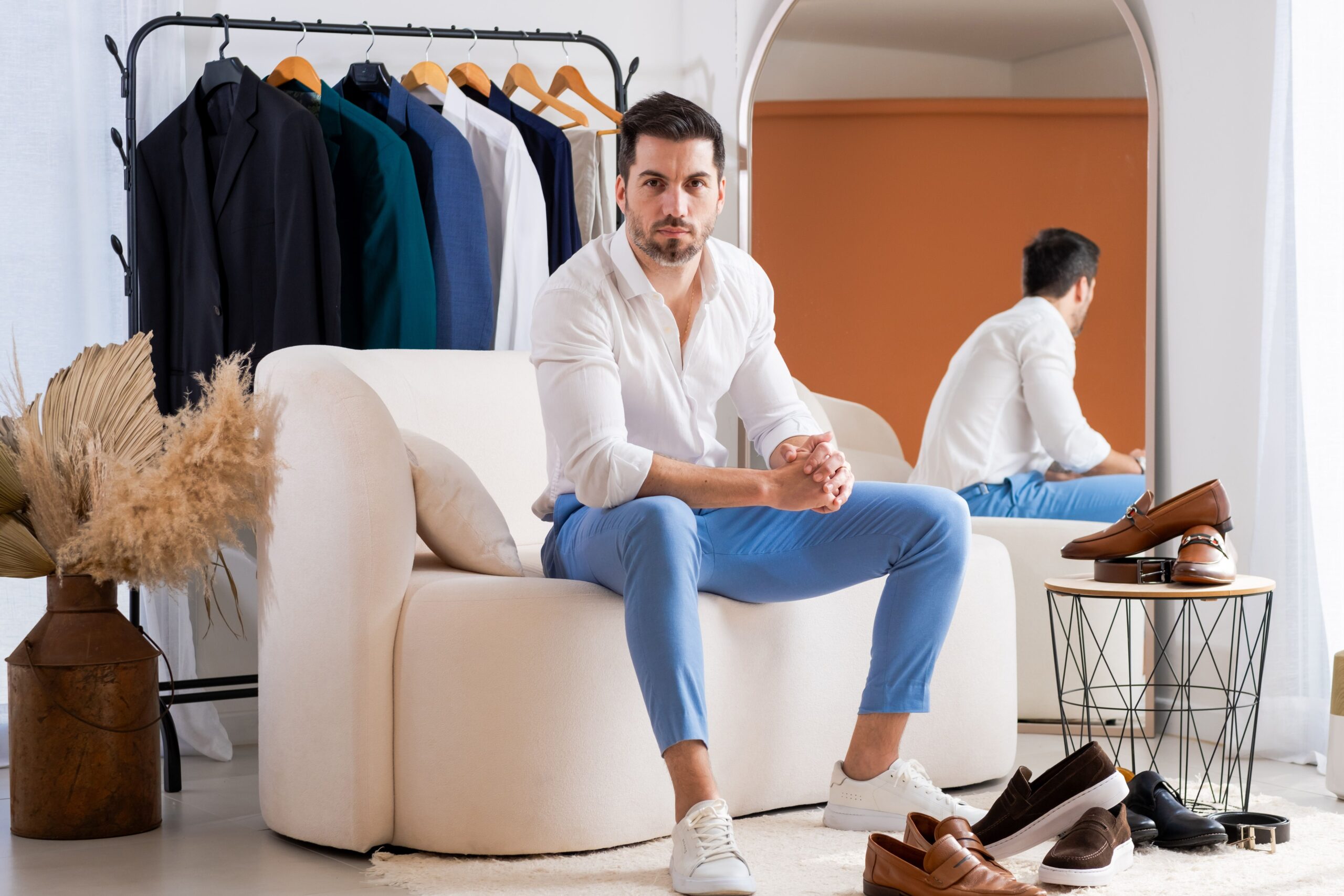
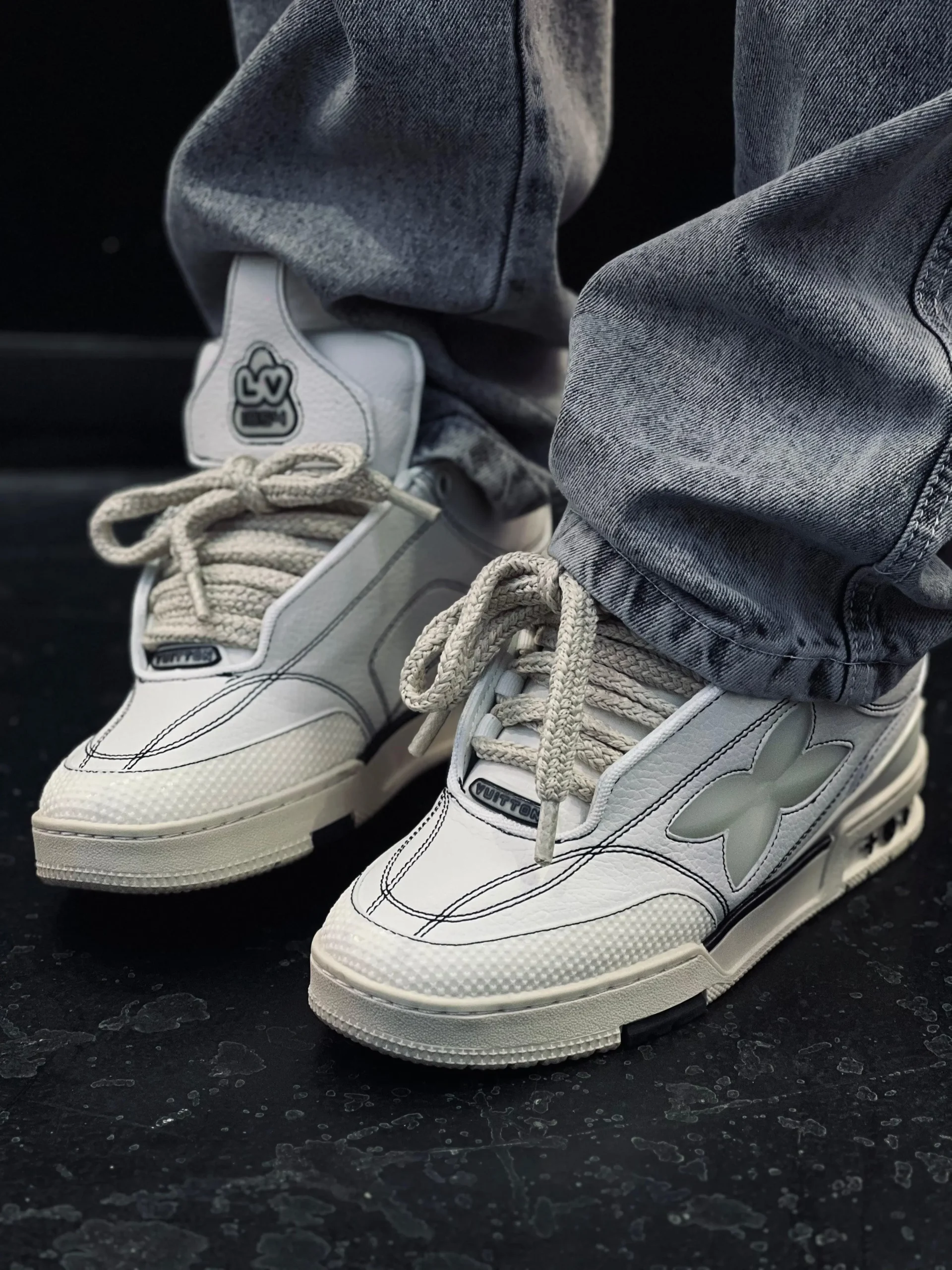
Popular choices include off-white sneakers, bottega sneakers, back 70 sneakers, ballet sneakers, dope sneakers, and male gucci sneakers. These names represent different fashion preferences found in today’s footwear market. Regardless of personal style, checking the inside of the shoe for smooth seams, enough toe space, and supportive cushioning remains far more important than following current trends. A sneaker should make daily activities easier while matching personal taste. When comfort and protection become part of the buying decision, every step feels more secure and enjoyable.
Breathable Materials Keep Feet Feeling Fresh
Feet naturally produce moisture throughout the day. Sneakers made with breathable materials allow air to circulate, helping reduce heat and keeping the inside of the shoe more comfortable. A dry environment also lowers the chance of skin irritation caused by excessive moisture.
Checking the inside of the sneaker is just as important as looking at the outside. A smooth lining, soft padding, and flexible upper material help create a comfortable fit. Wearing clean socks with supportive sneakers adds another layer of protection and helps maintain healthy feet during daily activities.
Small Habits Make Sneakers Last Longer
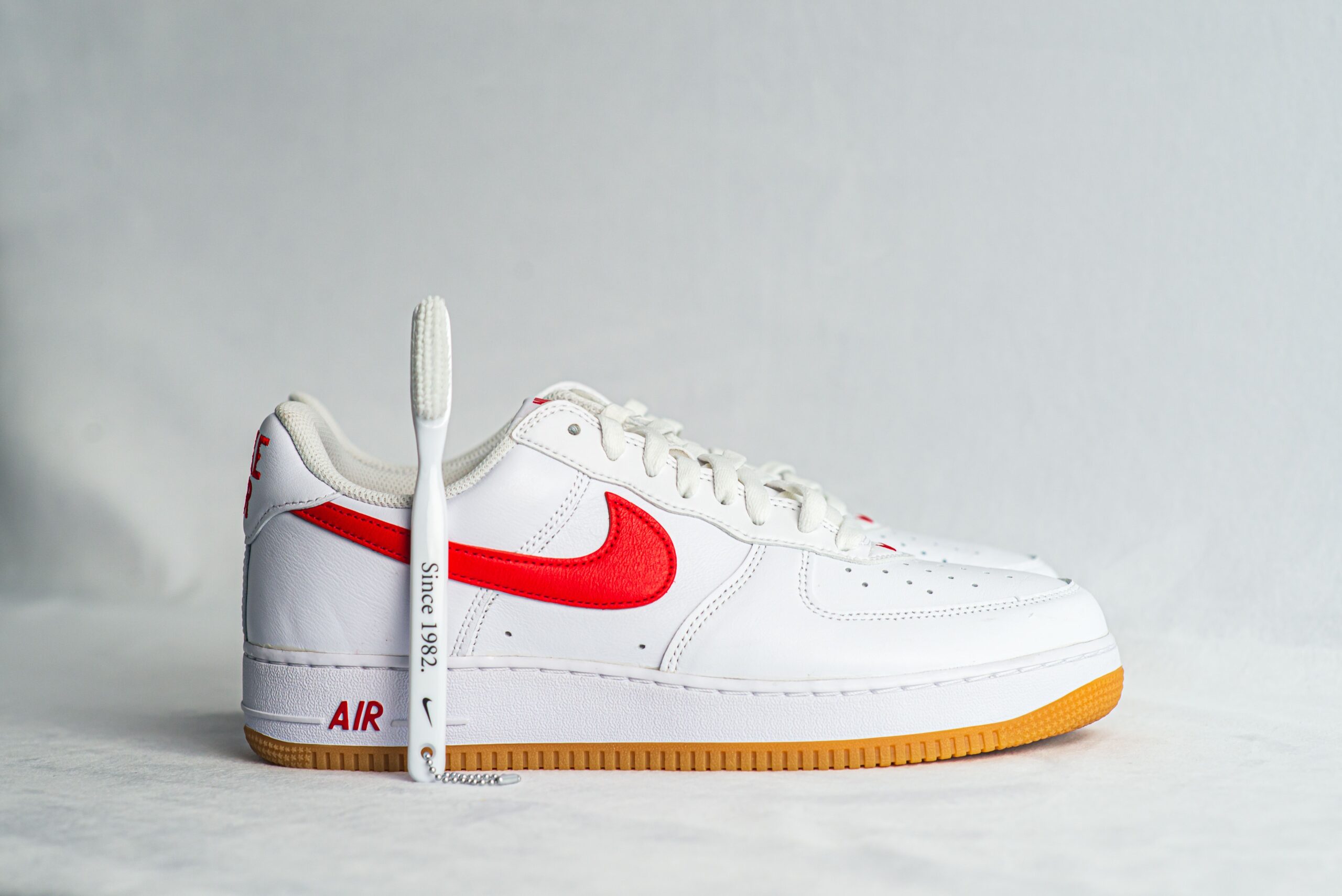
Taking care of sneakers helps them continue providing reliable support. Dirt, worn-out insoles, and damaged soles can reduce comfort over time. Regularly cleaning shoes and allowing them to dry naturally keeps them in better condition.
It is also helpful to inspect sneakers every few weeks. If the sole has become uneven or the cushioning feels flat, replacing the shoes may improve comfort. People with diabetes often benefit from changing sneakers before they become heavily worn since good support plays a valuable role in daily foot care.
Rotating between two pairs of sneakers also gives each pair time to air out between uses. This simple habit can extend the life of the shoes while keeping them fresher for longer.
Smart Shopping Leads to Better Foot Health
Buying sneakers should never be based only on appearance. Looking at the construction, flexibility, cushioning, and fit provides a better idea of how the shoes will perform during daily use. Trying on several pairs makes it easier to compare comfort levels before making a decision.
Reading product descriptions and customer reviews can also provide useful information about sizing and support. People with diabetes should avoid choosing shoes that require a long break-in period since comfortable sneakers should feel supportive from the beginning.
A careful purchase today can provide months of comfortable walking, making everyday activities more enjoyable while supporting healthy feet.
Healthy Feet Begin With the Right Sneakers
Living with diabetes does not mean giving up comfortable or stylish footwear. Choosing sneakers with proper cushioning, support, breathability, and a secure fit creates a solid foundation for daily movement. Small decisions made while shopping often have a lasting impact on foot comfort.
Making foot health part of everyday routines supports an active lifestyle. Regularly checking the condition of sneakers, replacing worn pairs, and selecting shoes that fit correctly help reduce unnecessary pressure on the feet. A well-chosen pair of sneakers becomes more than everyday footwear. It becomes an important part of caring for your feet and staying comfortable with every step.
FAQs
1. Why are supportive sneakers important for people with diabetes?
Supportive sneakers help distribute pressure evenly across the feet, improve stability, and reduce friction that may lead to blisters or discomfort. Proper footwear is an important part of daily foot care.
2. How often should sneakers be replaced?
Many people replace their sneakers every 300 to 500 miles of walking or whenever the cushioning and support begin to wear out. Regular inspection helps determine when a new pair is needed.
3. What features should I look for in sneakers for diabetes?
Look for soft cushioning, a wide toe box, breathable materials, firm heel support, lightweight construction, and a comfortable fit that does not create pressure points.
4. Can stylish sneakers still support foot health?
Yes. Many modern sneakers combine attractive designs with supportive features. Comfort, proper fit, and quality construction should always remain the main priorities when selecting footwear.