
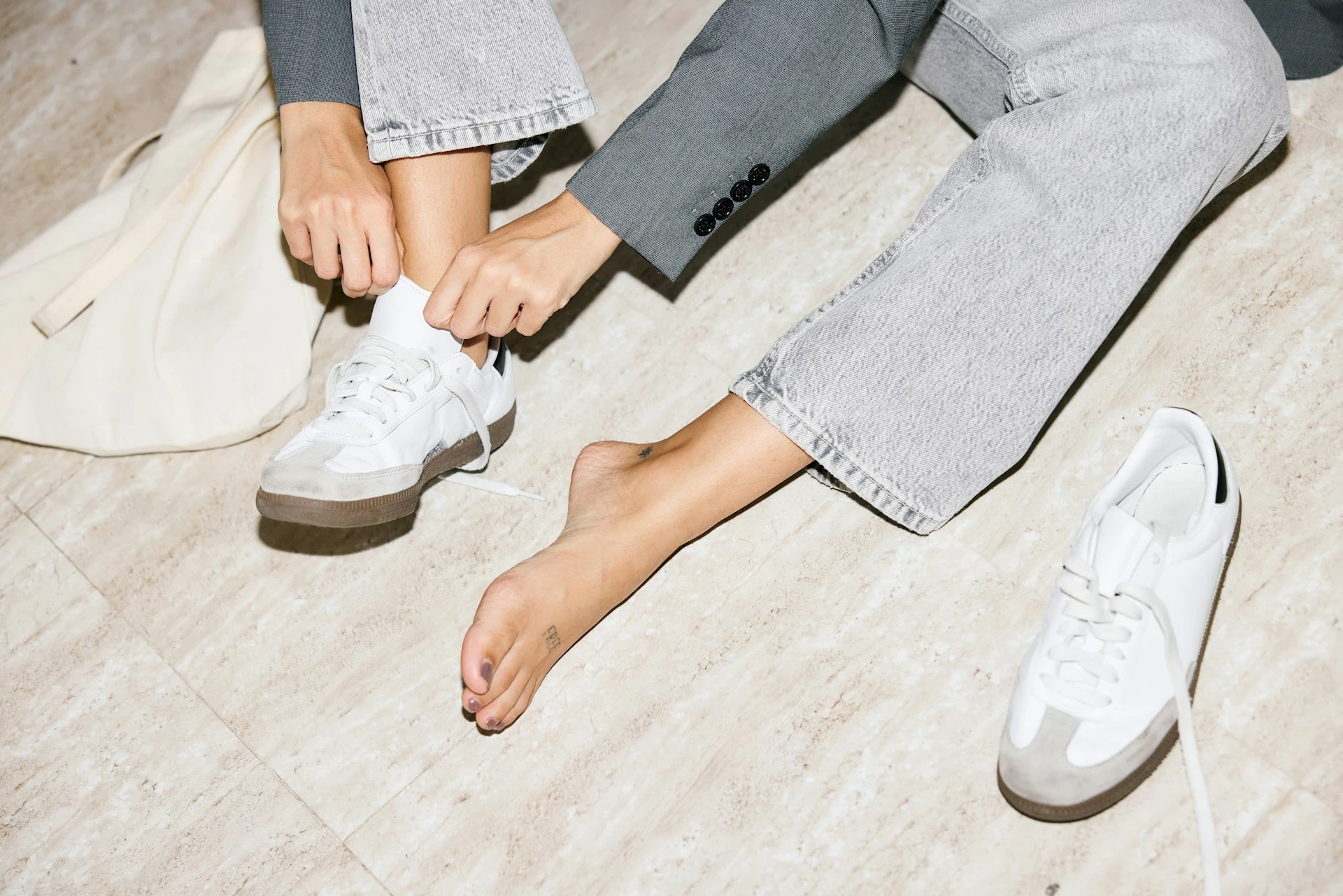
Sneakers have become a daily part of life for millions of people. They are worn for work, travel, sports, shopping, and casual outings. A quality pair can stay comfortable for years when treated with care. Many people spend good money on stylish shoes, yet unknowingly shorten their lifespan through small daily mistakes.
Damage often happens slowly. Dirt builds up, materials weaken, and soles wear down long before owners realize something is wrong. A few simple habits can make sneakers look old, smell unpleasant, or lose their shape much faster than expected. If you want your favorite pair to last longer, avoid these common mistakes and replace them with smarter care routines.
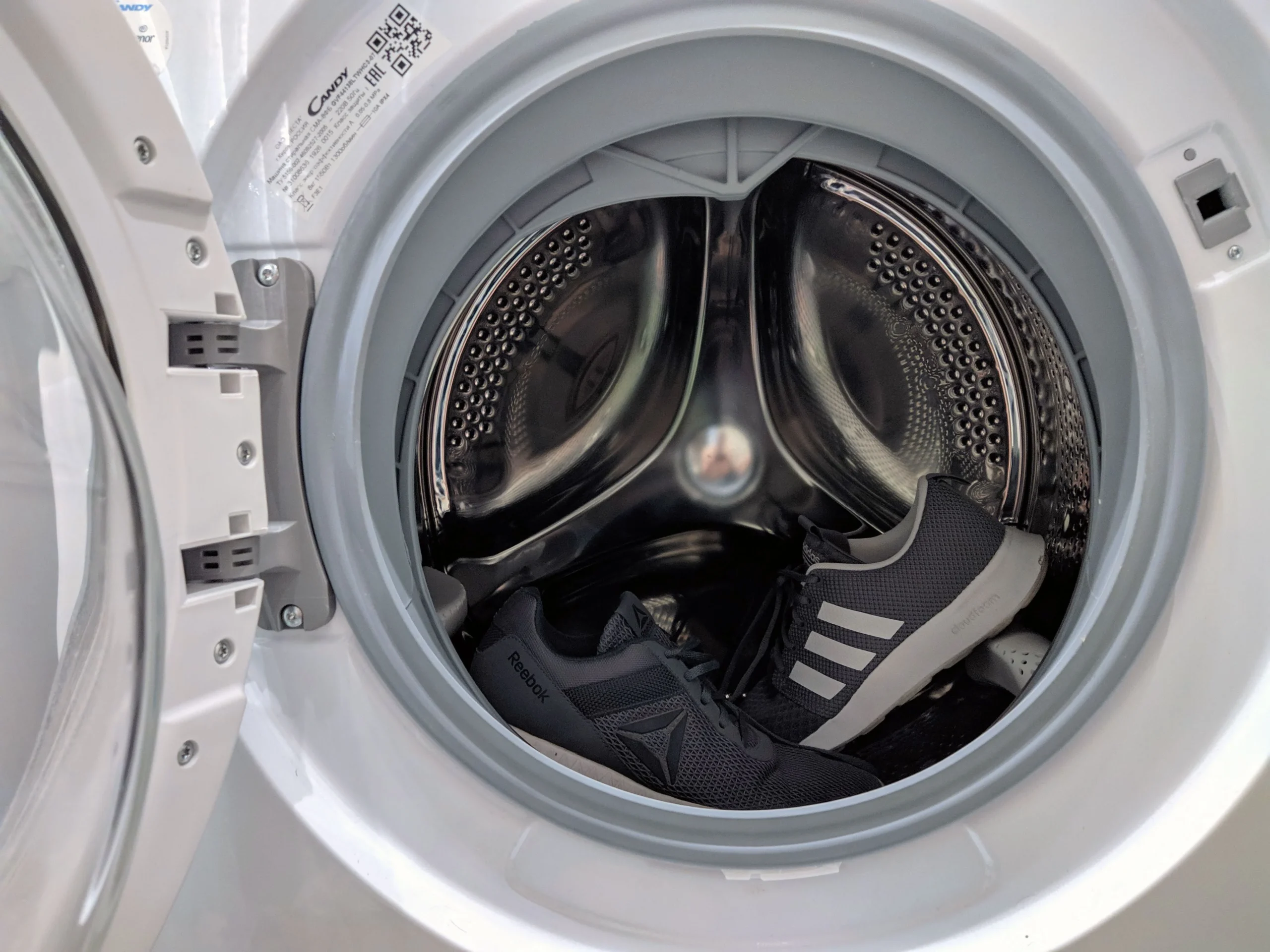
Tossing Sneakers Into the Washing Machine Every Time
Many people think using a washing machine is an easy cleaning solution. In reality, repeated machine washing can weaken glue, damage stitching, and affect cushioning. High-speed spinning places stress on materials that were never designed for rough cycles.
Hand cleaning is often a safer option. A soft brush, mild soap, and warm water remove dirt without putting extra pressure on the shoe structure. After cleaning, let the sneakers air dry naturally in a shaded area. Machine washing once in a rare situation may not ruin every pair, yet making it a regular habit can shorten their life significantly.
Leaving Mud and Dirt for Days
Fresh dirt is much easier to remove than dried stains. Mud that sits for several days can harden and work its way into fabric or textured rubber surfaces. Dust also acts like fine sandpaper. Every step creates friction that slowly wears materials down. Cleaning shoes after outdoor activities helps preserve their appearance. Keeping a small cleaning brush near your doorway makes quick maintenance easier. A two-minute cleanup often prevents long-term damage.
Drying Shoes Under Direct Heat
People often place wet sneakers near heaters or under strong sunlight, hoping they will dry faster. High temperatures may cause glue to weaken and fabrics to shrink or crack.
Natural drying takes longer, yet it protects delicate materials. Stuffing shoes with paper towels can absorb moisture and help maintain shape while drying. Avoid using hair dryers or placing sneakers on radiators. Patience often saves expensive repairs or replacement.
Wearing One Pair Every Single Day
Sneakers need time to recover after hours of use. Sweat collects inside, cushioning compresses, and moisture remains trapped in linings. Rotating between two or more pairs allows each set to air out properly. This simple habit reduces odor and helps materials maintain their original form. People who alternate footwear often notice slower wear on soles and improved comfort over time.
Moisture Builds Up Inside
Feet naturally produce moisture during walking. Without enough drying time, interiors stay damp and create unpleasant smells. Allowing sneakers to rest for a full day helps moisture evaporate naturally.
Cushioning Needs Recovery
Foam midsoles compress while supporting body weight. Giving shoes a break allows materials to regain part of their shape and comfort.
Rotation Saves Money
Owning multiple pairs may seem costly at first, yet spreading usage across different shoes often extends their usable life and delays replacement.
Ignoring Proper Storage Habits
Where sneakers are stored matters almost as much as how they are worn. Leaving them in hot cars, damp basements, or crowded piles may cause fading, mold, or unwanted creases. A cool and dry location is usually ideal. Shoe racks or breathable containers help maintain airflow while protecting pairs from dust.
Keeping tissue paper inside shoes during storage also supports shape retention for longer periods.
Wearing Dirty Laces Until They Break
Laces receive little attention, although they contribute to a sneaker’s overall appearance. Dirty laces make even clean shoes look neglected.
Removing and washing laces separately is quick and simple. Replacing worn-out laces also refreshes older sneakers without major expense. Small details often make a noticeable visual difference.
Forgetting About Insoles
Many people clean outer surfaces while ignoring insoles. Sweat, bacteria, and daily pressure affect these components more than almost any other part of the shoe. Removing insoles occasionally allows better airflow and cleaning. Mild soap and water usually work well for washable designs. Fresh insoles improve comfort, reduce odor, and create a healthier environment inside sneakers.
Regular Cleaning Helps
Gentle cleaning removes buildup that causes unpleasant smells over time.
Airing Out Prevents Odor
Leaving insoles outside the shoe for several hours after heavy use encourages proper drying.
Replacement Can Improve Comfort
When insoles lose support, installing new ones often restores cushioning without buying new sneakers.
Using Harsh Cleaning Chemicals
Strong bleach or aggressive household cleaners may seem powerful, yet they can discolor fabrics and weaken materials. Products made for delicate footwear or mild soap solutions are safer choices. Testing any cleaner on a hidden area first reduces the chance of visible damage. Reading care instructions supplied by manufacturers also helps avoid unnecessary mistakes.
Walking in Rain Without Protection
Not every sneaker is built for wet conditions. Heavy rain allows water to soak through mesh and fabric, affecting comfort and creating lingering odors. Water-resistant sprays can provide an added layer of protection for suitable materials. After exposure to rain, remove excess moisture and allow shoes to dry naturally indoors. Repeated soaking may reduce durability over time, making preventive care worthwhile.
Wearing Sneakers That Do Not Fit Properly
Poor fit creates pressure points and unnecessary stress on the shoe construction. Tight shoes stretch materials beyond intended limits, while loose pairs allow excessive movement that increases internal wear. Trying shoes on with everyday socks provides a more accurate fit. There should be enough room for toes to move comfortably without sliding around. Proper sizing supports both foot comfort and long-term sneaker condition.
Small Daily Habits That Keep Sneakers Looking New
Maintaining sneakers does not require expensive equipment or professional services. Consistency often matters more than deep cleaning sessions.
Helpful habits include:
- Brush off dust after outdoor use.
- Clean stains before they set.
- Let shoes air dry naturally.
- Rotate pairs during the week.
- Store footwear in a cool, dry place.
- Wash laces from time to time.
- Remove insoles for ventilation.
- Use gentle cleaning products.
- Protect shoes from excessive moisture.
- Check soles regularly for uneven wear.
Following these simple practices can noticeably extend the life of almost any pair.
Smart Care Creates Longer-Lasting Footwear
Sneakers go through constant stress from walking, weather, dirt, and daily movement. Many forms of damage happen because of habits people rarely question. Machine washing too often, exposing shoes to heat, ignoring moisture, or delaying cleaning all contribute to faster wear.
Making small changes today can preserve comfort, appearance, and durability for much longer. Consistent care protects your investment and keeps favorite sneakers ready for everyday adventures without unnecessary deterioration.