

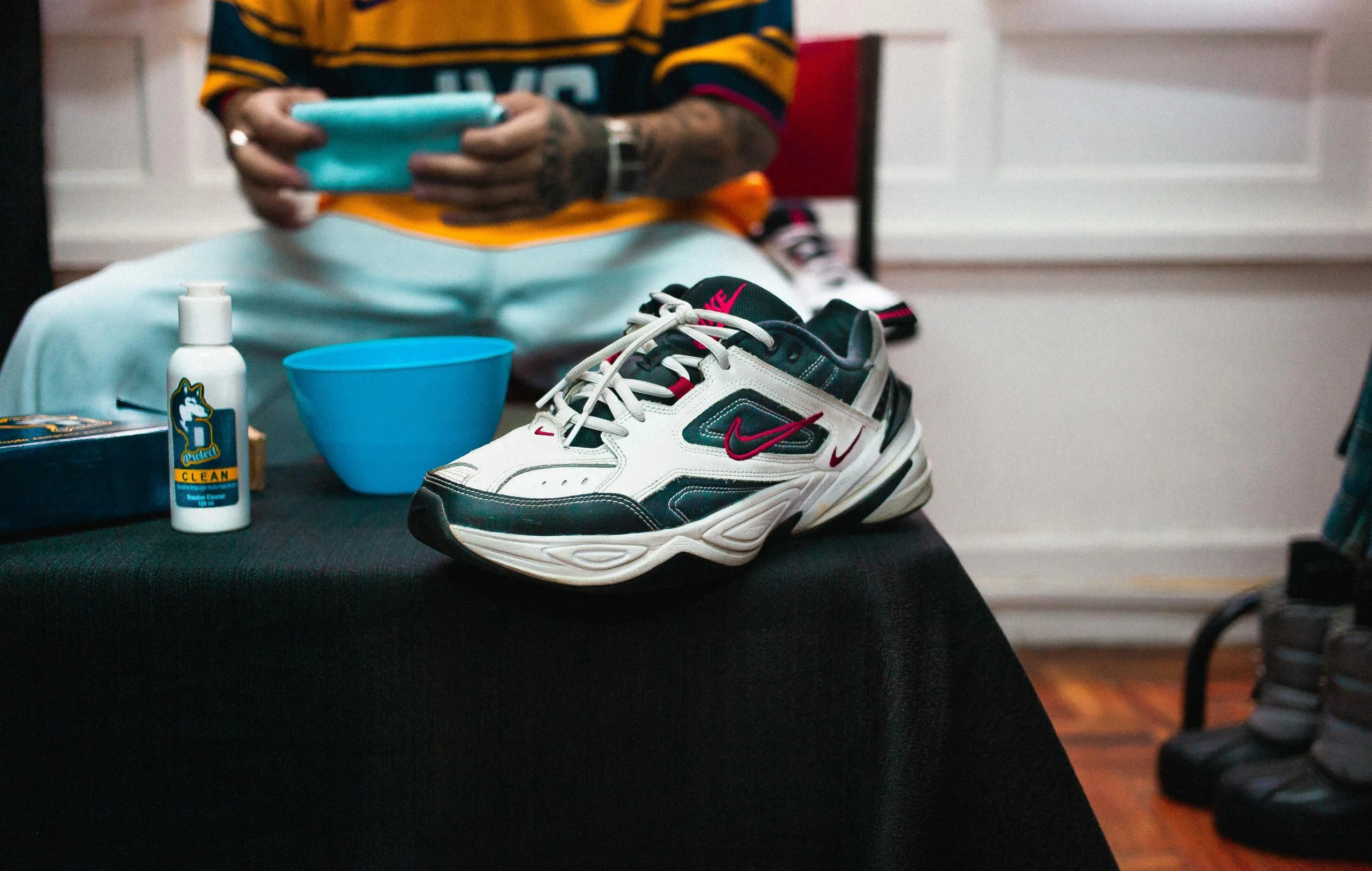
Sneaker cleaning methods are part of daily style, and they get dirty faster than most people expect. Dust, stains, and street marks slowly make them look old even when they are new. Many people try random cleaning tricks, yet the results do not last long.
Professional cleaners use simple methods that are rarely shared publicly. These methods focus on safe cleaning, long-lasting freshness, and protection of Sneaker Cleaning material. This guide simply explains those hidden techniques so anyone can follow them at home without special tools.
Daily Dust Removal Routine
Sneakers collect dust every time you step outside. Leaving dust for too long makes it stick deeper into the fabric and sole. Professionals always start with dry cleaning before using water. A soft brush works best for this step. Gently brushing the surface removes loose dirt from mesh, leather, and rubber areas. A microfiber cloth also helps clean smooth parts without scratching them. Doing this after each use keeps sneakers in good shape and reduces deep stains later. This small habit saves time during full cleaning sessions and keeps sneakers looking fresh every day.
Dry Cleaning Before Water Touch
Water is not the first step in professional cleaning. Dry cleaning is always done first to avoid spreading dirt. Sneakers should be completely dry before any liquid is used. A dry brush removes soil from stitching lines, toe areas, and soles. If water is used too early, dirt spreads and creates dark patches.
Professionals also check hidden corners like lace holes and inner edges before moving to wet cleaning. These small areas hold dust that often gets ignored. Another important step is shaking sneakers lightly after brushing to remove loosened particles. This prepares the shoe for safe washing. This method is important for white sneakers because stains become more visible when dirt mixes with water. Dry cleaning creates a clean base before deep washing begins.
Gentle Cleaning Mix Preparation
Professionals avoid harsh chemicals because they damage Sneaker Cleaning material over time. A mild cleaning solution works better and keeps shoes safe. A simple mix of warm water, mild soap, and a small amount of baking soda creates an effective cleaner. This mixture removes stains without weakening glue or fabric. It also helps in removing bad smells from inside the shoes.
Before applying the solution, testing it on a small hidden area helps avoid color damage. Another useful step is preparing a separate small bowl of clean water for rinsing brush tips during cleaning. This keeps the mixture fresh while working. The solution should be light, not thick or heavy. Strong chemicals are not needed for normal dirt or daily stains.
Soft Scrubbing Technique
Scrubbing is important, yet pressure control matters more. Many people damage their sneakers by scrubbing too hard. A soft toothbrush or small cleaning brush is used in a circular motion. This helps lift dirt from fabric fibers without tearing them. Focus areas include toe box, side panels, and sole edges. Slow movement gives better results and protects delicate material. Rushing this step often leaves uneven cleaning marks. Light pressure also helps maintain the original texture of mesh and leather.
Sole Deep Cleaning Method
Soles carry the most dirt because they touch the ground directly. Professionals treat soles separately for better results. A stronger cleaning mix can be used only on rubber soles. Scrubbing with slightly more pressure helps remove deep black marks. A magic eraser also works well for stubborn stains on white soles.
Rubber Sole Treatment Steps
Rubber soles respond well to gentle abrasive cleaning. Using circular motion helps remove deep dirt layers. Repeating the process twice gives better brightness.
Midsole Brightening Method
Midsole areas often turn yellow or gray over time. A baking soda paste applied for a few minutes helps restore brightness. Wiping after treatment improves the final look.
Edge Detailing Care
Edges between the sole and the upper fabric collect hidden dirt. A small brush is useful here to clean narrow lines properly. This step improves the overall shoe appearance instantly. Cleaning soles properly makes the entire sneaker look new, even if the upper parts are slightly worn. Clean soles improve overall appearance instantly.
Inside Freshness Care
Sneakers do not only get dirty outside. Inside smell and moisture build-up is also common issue.
Professionals use baking soda inside sneakers overnight. It absorbs moisture and removes odor naturally. Another method is wiping the inside with a lightly dampened cloth mixed with mild soap.
Odor Control Method
Sprinkling baking soda evenly inside shoes helps remove bad smells. Leaving it overnight gives the best results.
Insole Cleaning Routine
Removing insoles and washing them separately improves hygiene and comfort. Insoles should be air-dried fully before reuse.
Moisture Balance Trick
Placing tissue paper inside helps absorb leftover moisture. This prevents bacterial growth and keeps sneakers fresh longer.
Proper Drying Method
Drying is one of the most ignored steps. Wrong drying can ruin a sneaker’s shape and color. Sneakers should always be air-dried in the shade. Direct sunlight causes yellow marks and weakens glue. Heat sources like hair dryers are also avoided because they damage the material structure. A paper or soft cloth can be placed inside sneakers to maintain shape during drying. This helps absorb extra moisture and keeps the structure firm.
Color Protection Trick
White sneakers often lose brightness over time. Professionals use simple protection methods to slow down this process. A thin layer of sneaker protector spray helps resist dust and stains. It creates a protective barrier on the surface. Reapplying after every few weeks improves long-term results. Wiping sneakers after each use is another effective habit. This prevents dirt from settling and keeps the white color brighter for a longer time.
Cleaning Frequency Plan
Cleaning too often can damage sneakers, while Sneaker Cleaning too late makes stains harder to remove. Professionals follow a balanced schedule. Light cleaning is done after every few wears. Deep cleaning is done once every one or two weeks, depending on usage. This keeps sneakers in good condition without overworking the material.
Common Cleaning Errors
Many people unknowingly damage their sneakers during cleaning. Avoiding common mistakes helps keep shoes safe.
Using bleach or strong chemicals weakens fabric and causes discoloration. Washing sneakers in hot water can damage the glue and shape. Drying in strong sunlight leads to yellow stains on white sneakers. Rough scrubbing tears the mesh material and reduces shoe life.
Sneaker Storage Habits
Storage plays a big role in Sneaker Cleaning conditions. Clean sneakers can still get damaged if stored poorly. Sneakers should be kept in a dry and cool place. Using shoe boxes or dust bags protects them from dust and moisture. Keeping silica gel packets inside storage boxes helps control humidity. Rotating sneakers instead of wearing one pair daily also increases lifespan.
Final Care Routine
Keeping sneakers clean is not difficult when a proper routine is followed. Professionals rely on simple habits like dry brushing, mild cleaning mix, soft scrubbing, and proper drying. These methods do not require expensive products. Consistency is more important than complex techniques. Clean sneakers always improve overall style and confidence while keeping shoes in long-lasting condition.
FAQs
1 How often should I clean my sneakers?
It depends on usage, but light cleaning after a few wears and deep cleaning every 1–2 weeks works best for most sneakers.
2 Can I use a washing machine for sneakers?
Washing machines are not recommended because they can damage glue, stitching, and the shoe shape. Hand cleaning is safer and more long-lasting.
3 What is the safest cleaning method for white sneakers?
A mix of mild soap, warm water, and baking soda is the safest option. It removes stains without harming the material quality.
4 How do I remove yellow stains from white sneakers?
Baking soda paste or a light vinegar solution helps reduce yellow stains. Always dry sneakers in the shade to avoid worsening discoloration.
5 Can toothpaste clean sneakers properly?
Yes, toothpaste works well for small stains and rubber parts. It should be used gently with a soft brush.